Owning a vehicle is a privilege, but it comes with responsibility. Cars, trucks, and semi trucks are complex machines with hundreds of moving parts that need regular attention. Proper maintenance not only extends the life of your vehicle but also keeps you and your passengers safe, helps avoid costly repairs, and preserves resale value.
Vehicles are more than just a means of transportation—they’re investments. Neglecting routine care can quickly turn minor issues into major problems, from engine failures to transmission damage. Every car owner, whether they drive a family sedan or a commercial semi truck, benefits from understanding best practices for maintenance, repair, and safety. This comprehensive guide covers everything from day-to-day upkeep to major repairs, including tire and brake care, engine and transmission maintenance, AC performance, post-collision recovery, and tips for selecting reliable repair shops. Each section includes actionable advice, real-world examples, and practical tips to help you keep your vehicle running smoothly for years to come. By taking a proactive approach to vehicle care, drivers can prevent unexpected breakdowns, improve fuel efficiency, and enhance overall driving comfort. Understanding the warning signs of mechanical issues, scheduling regular inspections, and working with trusted professionals ensures that small problems are addressed before they escalate.
This guide is designed to provide both new and experienced vehicle owners with the knowledge and strategies needed to make informed decisions, maximize the lifespan of their vehicles, and enjoy a safer, more reliable driving experience.
Recognizing When to Visit a Professional Auto Repair Company

Some car problems are immediately noticeable, such as strange noises or warning lights, while others develop gradually and can go unnoticed until they become serious. Catching issues early is essential, as even minor signs—like reduced fuel efficiency, subtle vibrations, or unusual smells—can indicate larger underlying problems. Addressing these concerns promptly helps prevent expensive repairs, including full engine replacements, and keeps your vehicle running safely and reliably.
Warning signs your vehicle needs attention:
Dashboard alerts:
Check engine lights, oil pressure warnings, and battery alerts are not suggestions—they are warnings that something is wrong. Ignoring them can lead to engine or electrical system failure.
Unusual noises:
Grinding brakes, knocking engines, or whining sounds often indicate problems that require immediate attention.
Fluid leaks:
Oil, brake fluid, coolant, or transmission leaks can escalate into significant engine damage if untreated.
Performance issues:
Poor acceleration, stalling, or low fuel efficiency can indicate engine or transmission problems.
Vibrations or shaking:
Persistent vibrations while driving, especially during braking or acceleration, may point to worn suspension or drivetrain components.
Proactive steps before visiting a repair shop:
- Keep a detailed log of all symptoms, including time of occurrence and driving conditions.
- Check basic systems yourself: oil levels, coolant levels, tire pressure, and belts.
- Gather previous service records for the mechanic to make a faster, more accurate diagnosis.
Case example:
A car owner ignored a subtle knocking sound for months. When they finally visited an auto repair company, they were told the engine required a full replacement. Early attention could have prevented thousands of dollars in repair costs.
Regular preventive maintenance—oil changes, filter replacements, tire rotations, and routine inspections—helps you avoid major repairs and keeps your vehicle performing optimally.
Maintaining Your Semi Truck for Longevity
Semi trucks require specialized care. Heavy-duty engines, large braking systems, and complex transmissions demand more attention than passenger vehicles. Proper maintenance ensures safety, compliance with regulations, and reduced downtime.
Key semi truck maintenance tips:
Brake inspections:
Check air brakes, hydraulic lines, and pads frequently. Failing brakes can lead to accidents and regulatory fines.
Engine monitoring:
Track oil pressure, coolant levels, and listen for unusual noises. Overheating or knocking requires immediate attention.
Transmission care:
Regularly check fluid levels and address slippage or unusual noises to prevent major failures.
Tire care:
Monitor tread depth, alignment, and air pressure. Replace worn tires to avoid blowouts.
Scheduled servicing:
Follow manufacturer recommendations for major components like turbochargers, fuel injectors, and suspension systems.
Mini case study:
A trucking company noticed one of their semi trucks overheating during a routine inspection. Early semi truck repair revealed a coolant leak, preventing engine failure and saving thousands in repairs.
Additional tips for longevity:
- Keep detailed maintenance logs for every vehicle in a fleet.
- Train drivers to report unusual sounds or handling issues immediately.
- Perform pre-trip inspections daily, including lights, brakes, and fluid levels.
Keeping Your Vehicle’s Body in Top Shape

Your vehicle’s exterior isn’t just about aesthetics—it plays a vital role in protecting structural components from rust, corrosion, and long-term damage. Even small scratches, dents, or chips in the paint can allow moisture and debris to penetrate, leading to corrosion that spreads beneath the surface. Addressing these issues promptly not only preserves your car’s appearance but also maintains its structural integrity and resale value.
Body maintenance tips:
Wash and wax regularly:
Road grime, salt, and UV rays damage paint. Waxing adds a protective layer.
Inspect for dents and scratches:
Address minor damage early to prevent rust.
Use a trusted local auto body shop:
Local shops provide convenient, high-quality service for repairs and cosmetic touch-ups.
Post-collision repairs:
Auto collision shops repair structural damage and ensure your car meets manufacturer safety standards.
Preventive measures:
Use car covers, park in shaded areas, and avoid tight parking spaces to protect paint and trim.
Example scenario:
A driver ignored a small fender scrape, which eventually developed rust under the paint. Visiting a local auto body shop immediately after the accident would have prevented major repairs.
Extra tips:
- Touch-up paint kits can handle minor scratches before rust forms.
- Apply protective coatings or sealants every 6–12 months.
- Inspect wheel wells and undercarriage for early signs of corrosion.
Ensuring Optimal Air Conditioning Performance
A functional AC system is essential for both comfort and safety, especially during hot weather or long drives. Ignoring even minor issues can lead to complete system failure, reduced cabin air quality, and costly repairs. Regular maintenance ensures your AC performs efficiently, keeps the interior comfortable, and prevents unexpected breakdowns on the road.
AC maintenance steps:
Routine inspections:
Look for weak airflow, unusual odors, or inconsistent cooling.
Refrigerant maintenance:
Check levels and leaks. Low refrigerant reduces performance and strains the compressor.
Professional service:
Auto AC repair specialists can clean, recharge, and fix faulty components.
Filter replacement:
Change cabin air filters regularly to maintain airflow and air quality.
Monitor for unusual noises:
Hissing, clicking, or rattling may indicate failing valves or compressors.
Mini-case study:
A driver noticed the AC blowing warm air on a summer road trip. Professional auto AC repair revealed a refrigerant leak. Prompt service prevented a full compressor replacement.
Extra tips:
- Run the AC for a few minutes weekly in winter to circulate refrigerant.
- Keep vents and drains clean to prevent mold and odor buildup.
Tire Maintenance and Safety Tips
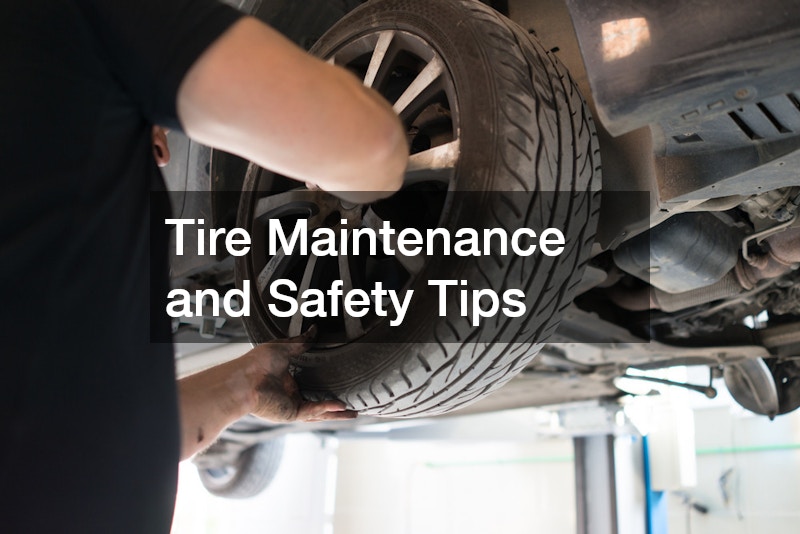
Tires are the vehicle’s only contact with the road, making them critical for safety and performance. Neglecting tire care can lead to blowouts, reduced fuel efficiency, uneven wear, and poor handling, putting both you and your passengers at risk. Regular inspection and maintenance keep your vehicle stable, responsive, and safe in all driving conditions.
Tire care checklist:
- Check tire pressure monthly, using the manufacturer-recommended PSI.
- Inspect tread depth and replace tires before reaching minimum legal limits.
- Rotate tires every 5,000–7,000 miles to promote even wear.
- Inspect for damage: cuts, bulges, and embedded debris.
- Seasonal changes: Use winter tires when necessary, store summer tires properly.
Tire shop benefits:
- Professional inspections, alignment, and balancing.
- Expert recommendations for tire type, size, and condition.
- Safe installation of winter or summer tires.
Example scenario:
A driver ignored uneven wear, which led to a blowout on the highway. Proper maintenance and a tire shop visit would have prevented this accident.
Extra tips:
- Check spare tire condition and pressure monthly.
- Consider TPMS (Tire Pressure Monitoring System) for early warnings.
- Inspect tires before long trips.
Engine and Transmission Care
The engine and transmission are the most critical components of any vehicle, directly affecting performance, fuel efficiency, and reliability. Proper maintenance of these systems is essential to prevent unexpected breakdowns, costly repairs, and even complete engine replacements. Regular inspections, fluid changes, and early attention to unusual noises or performance issues can significantly extend the life of both the engine and transmission while keeping your vehicle running smoothly and safely.
Engine maintenance tips:
- Regular oil changes using manufacturer-recommended oil.
- Replace air, fuel, and cabin filters on schedule.
- Monitor for unusual noises, vibrations, or performance drops.
- Check coolant levels and temperature regularly.
Transmission care tips:
- Change transmission fluid and filter per manufacturer recommendations.
- Watch for slipping gears, delayed shifts, or grinding.
- Address minor issues immediately to avoid full transmission replacement.
Mini-case study:
A driver noticed gear slipping in a manual transmission. Visiting a local transmission repair specialist early prevented total transmission failure.
Extra tips:
- Avoid excessive towing without proper equipment.
- Flush engine and transmission fluids periodically.
- Use high-quality parts to prevent premature wear.
Navigating Insurance After an Accident

Accidents are stressful and can be overwhelming, but handling insurance claims and legal matters properly can make the recovery process much smoother. Promptly documenting the accident, contacting local insurance agencies, and consulting an injury attorney when needed helps ensure you receive fair compensation and that repairs are completed correctly. Being organized and proactive reduces stress, minimizes delays, and protects both your financial and legal interests after a collision.
Post-accident steps:
- Document all damage with photos and detailed notes.
- Contact local insurance agencies promptly to report the accident.
- Consult an injury attorney if personal injury or liability issues arise.
- Coordinate repairs with a reputable auto collision shop.
Example:
A driver was hit at a red light. By documenting damage, notifying their local insurance agency, and working with an auto collision shop, they completed repairs quickly without disputes.
Extra tips:
- Keep an accident kit in your vehicle.
- Maintain a list of trusted local repair shops and attorneys.
- Follow up regularly with the insurance provider to track claims.
Choosing the Right Repair Shops and Services
Not all repair shops provide the same level of service, expertise, or reliability. Choosing the right provider is essential to ensure high-quality repairs, long-lasting results, and fewer recurring problems. A trusted shop can accurately diagnose issues, use the correct parts, and provide professional advice on maintenance, helping you avoid costly mistakes and ensuring your vehicle remains safe and reliable for years to come.
Selection tips:
- Check certifications, experience, and customer reviews.
- Ask about warranties for parts and labor.
- Ensure the shop handles specific repairs like engine work, transmission, or collision repairs.
- Build long-term relationships with reliable providers.
Example:
A driver had repeated brake issues at a chain store. Switching to a local auto repair company resulted in accurate diagnosis and lasting repairs.
Extra tips:
- Confirm shop equipment is compatible with modern vehicles.
- Ask if OEM or aftermarket parts are used.
- Get multiple estimates for major repairs.
Planning for Major Repairs and Replacements
Major repairs such as engine replacements or transmission overhauls require planning and preparation.
Steps to manage major repairs:
- Obtain multiple quotes to ensure fair pricing.
- Schedule repairs to minimize downtime.
- Verify warranties on parts and labor.
- Use OEM components whenever possible.
Case study:
A driver planned an engine replacement ahead of time, securing OEM parts and coordinating with a local transmission repair shop. This reduced downtime and ensured proper installation.
Extra tips:
- Keep a budget for unexpected repairs.
- Document repairs for future resale value.
- Ask your mechanic for maintenance tips to prevent future major failures.
Maintaining Your Vehicle’s Value Over Time
Consistent maintenance not only keeps your vehicle running smoothly but also preserves its resale value over time. Well-cared-for vehicles are more reliable, perform better, and typically sell for higher prices than neglected ones. Regular upkeep, timely repairs, and attention to both mechanical and cosmetic details demonstrate to potential buyers that the vehicle has been properly maintained, making it easier to sell and maximizing its long-term value.
Tips to maintain value:
- Keep detailed maintenance records.
- Address cosmetic damage promptly through a local auto body shop.
- Replace worn tires and brakes proactively.
- Schedule regular inspections to prevent minor issues from escalating.
Extra tips:
- Protect interiors with seat covers and mats.
- Avoid harsh chemicals that can damage paint or trim.
- Document all repairs for potential buyers.
Regular vehicle maintenance and timely repairs are crucial for safety, performance, and cost savings. Routine tire checks, AC servicing, engine and transmission care, and post-collision repairs prevent costly breakdowns. Partnering with trusted professionals such as auto repair companies, local auto body shops, and semi truck repair specialists ensures quality service and peace of mind. Proper maintenance also preserves resale value and protects drivers legally and financially. In addition to these routine measures, staying proactive with preventative inspections can make a significant difference. Regularly checking fluid levels, belts, hoses, and electrical components can catch minor issues before they escalate into major repairs. Scheduling seasonal tune-ups and inspections also helps adapt your vehicle to changing weather conditions, preventing problems like battery failure in winter or overheating in summer. By combining consistent upkeep with professional expertise, drivers can extend the life of their vehicle, reduce unexpected expenses, and maintain optimal performance under all driving conditions. By investing time and attention in your vehicle today, you ensure it remains reliable, safe, and high-performing for years to come.