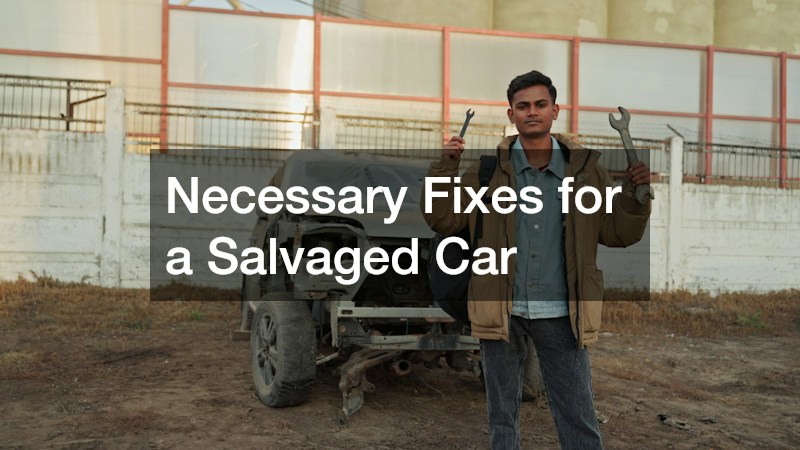
Restoring a salvaged vehicle is one of the most rewarding yet challenging projects an automotive enthusiast or budget-conscious driver can undertake. When a vehicle is declared a total loss by an insurance company, it usually means the cost of repairing the damage exceeds a significant percentage of its actual cash value. However, a salvage title does not automatically mean a car is destined for the scrap yard. With the right expertise, proper planning, and careful mechanical work, many of these vehicles can be transformed back into safe, reliable, and aesthetically pleasing transportation.
Bringing a rebuilt vehicle back to life requires a structured approach that prioritizes structural integrity, mechanical reliability, safety systems, and cosmetic details. Skipping steps or taking shortcuts during the restoration process can lead to long-term safety hazards and unexpected expense down the road. To guide you through this complex process, this detailed guide outlines the necessary fixes, inspections, and enhancements required to restore a total-loss vehicle to roadworthy condition.
Evaluating the Vehicle’s Structural Integrity
Before turning a single wrench or buying replacement parts, you must evaluate the vehicle to determine if the frame or unibody structure is straight and sound. A bent or twisted frame compromises the vehicle’s structural strength, alters crash safety performance, and creates severe wheel alignment issues that accelerate tire wear.
Checking Frame Alignment and Geometry
- Inspect the frame rails for obvious kinks, crumples, or cracked stress points near suspension mounting areas.
- Measure diagonal reference distances between symmetrical points under the chassis to check if the frame is square.
- Look for uneven panel gaps around the hood, doors, and trunk, which often point to underlying unibody distortion.
- Transport the vehicle to a professional frame straightening facility equipped with laser measuring systems if you suspect hidden frame damage.
Inspecting Suspension and Wheel Alignment
- Check the shock absorbers, struts, control arms, and tie rods for visible bends, cracks, or fluid leakage.
- Ensure all suspension bushings are intact and free from severe dry rot or tearing caused by impact forces.
- Verify that steering knuckles and wheel hubs rotate smoothly without grinding noises or excessive play.
- Schedule a dynamic four-wheel alignment to ensure all wheels track straight and true before driving at high speeds.
Restoring Critical Safety Systems
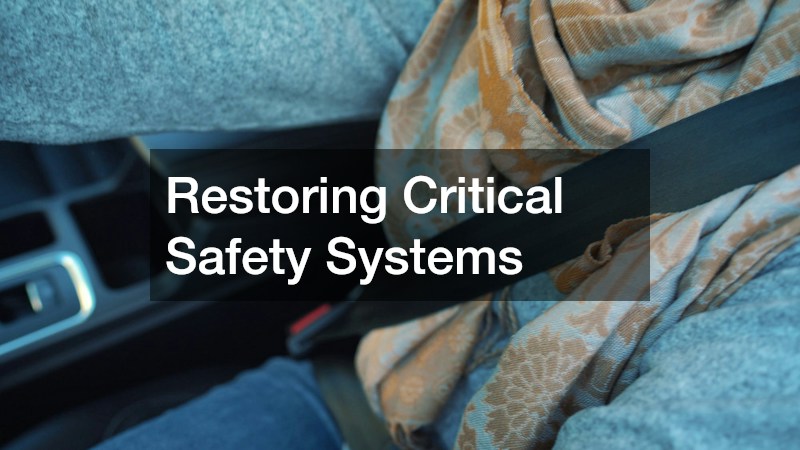
Safety systems often take the brunt of the force during a severe collision. Restoring these systems to factory specifications is non-negotiable, as your personal safety depends entirely on their proper operation in the event of another incident.
Restoring Airbags and Supplemental Restraint Systems
- Replace all deployed airbag modules, seatbelt pretensioners, and impact sensors with direct factory components.
- Clear soft and hard trouble codes stored within the supplemental restraint system module using diagnostic scanning tools.
- Inspect the clock spring inside the steering column to ensure proper electrical continuity after airbag deployment.
- Ensure all wiring harnesses connected to safety sensors are free from corrosion, pinch marks, or exposed wire threads.
Analyzing Electronic Crash Data
Modern vehicles store vital information leading up to and during a major collision. Utilizing a crash data retrieval system allows technicians to analyze sensor telemetry, speed data, and impact severity parameters logged by the onboard computer. Reviewing this diagnostic data helps identify hidden electrical faults and confirms whether key safety modules need complete hardware replacement or software recalibration before the car returns to public roads.
Fixing Vital Mechanical Components
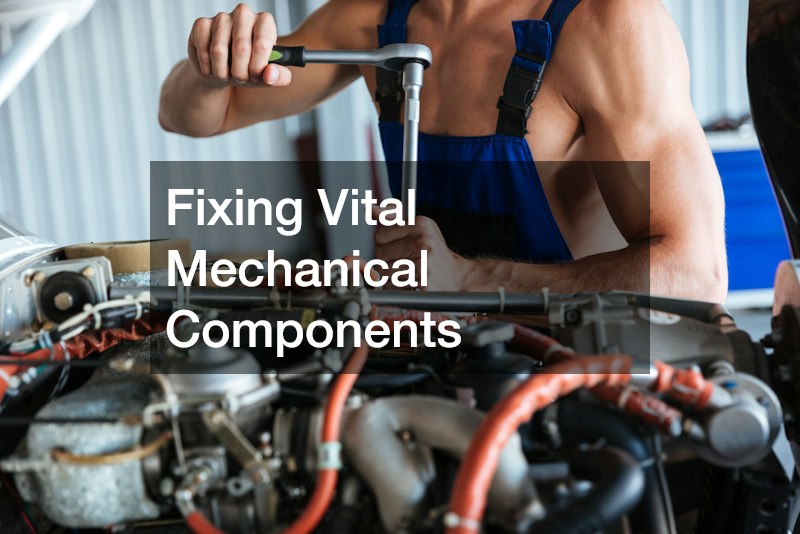
Once the structure and safety features are addressed, attention must shift to the mechanical heartbeat of the car. Engine, drivetrain, and cooling components often suffer secondary damage from front-end collisions or prolonged sitting in storage yards.
Overhauling the Braking System
A vehicle that has sat idle in a salvage yard often suffers from severe rotor corrosion, seized caliper pistons, and degraded hydraulic fluid. Performing thorough brake repairs is essential to guarantee dependable stopping power. Replace rusted brake lines, install fresh pads and rotors, and flush the entire hydraulic circuit with fresh fluid to remove trapped air and moisture.
Diagnosing Engine and Cooling System Damage
- Inspect the radiator, condenser, and cooling fans for impact damage, bent fins, or coolant leaks.
- Check the engine block, oil pan, and valve cover for cracks or fluid seepage resulting from impact stress.
- Replace the water pump, thermostat, and rubber hoses if the car has been sitting idle for an extended period.
- Turn the engine over manually with a breaker bar on the crankshaft bolt to verify it rotates smoothly without internal obstruction.
Resolving Drivetrain and Power Transfer Issues
Collision impact can push drivetrain components backward, damaging internal gears, shafts, or torque converters. When dealing with severe shifting issues, gear slipping, or fluid contamination, seeking specialized transmission repair becomes necessary to rebuild or swap internal components. Ensuring smooth power delivery from the flywheel down to the axle shafts guarantees long-term mechanical dependability.
Upgrading Exhaust and Emission Controls

Exhaust systems suffer frequently during low-clearance impacts, side collisions, or undercarriage scrapes. A damaged exhaust system is not only loud, but it can also leak dangerous carbon monoxide into the passenger cabin.
Inspecting Catalytic Converters and Sensors
- Examine the catalytic converter shell for deep dents, cracks, or signs of internal substrate breakdown.
- Test upstream and downstream oxygen sensors to ensure proper air-fuel mixture feedback to the engine control unit.
- Replace crushed or bent exhaust piping to maintain correct backpressure and optimal engine performance.
- Verify that all heat shields are securely mounted to prevent thermal damage to nearby electrical wiring or floorboards.
Performing Complete Exhaust System Overhauls
Undertaking necessary exhaust repairs ensures that emission levels remain within legally acceptable limits while eliminating harsh cabin vibrations. Inspecting exhaust hangers, replacing worn gaskets, and welding tight seals along pipe joints prevents exhaust gases from entering the vehicle interior. Proper backpressure maintenance also protects the engine valves and optimizes fuel efficiency across all driving conditions.
Repairing Electrical Systems and Wiring
Modern automobiles rely heavily on intricate wiring networks and delicate electronic control modules. Water intrusion from broken windows or direct impact damage can cause severe short circuits, corroded terminals, and erratic phantom electrical issues that confuse standard diagnostic tools.
Inspecting Wiring Harnesses and Junction Boxes
- Visually check main wiring harnesses near the engine bay and bumper areas for pinched, melted, or frayed wires.
- Inspect main fuse boxes and relay panels for signs of green corrosion, water marks, or melted plastic.
- Test battery ground cables and main chassis ground points to ensure solid electrical continuity across all systems.
- Use a multimeter to check voltage drop across major circuits while operating high-draw electrical accessories.
Testing Electronic Control Modules
- Perform a full system scan using an advanced diagnostic tool to identify active and pending trouble codes.
- Inspect module pin connectors for bent, broken, or corroded pins before reattaching wire harnesses.
- Re-flash or update control module software to resolve communications errors between secondary systems.
- Replace damaged body control modules, engine control units, or sensor nodes with programmed replacement units.
Fixing Structural Panels and Glass
Exterior restoration involves far more than simply bolting on shiny new fenders and bumpers. Windshields and structural glass contribute significantly to the overall torsional rigidity of the vehicle roof line and must be installed with exact precision.
Replacing Broken Windshields and Windows
Cracked or shattered safety glass compromises structural strength and impairs driver visibility. Scheduling a professional auto glass replacement ensures that fresh safety glass is sealed correctly with high-grade urethane adhesive. Properly installed glass prevents water leaks, reduces wind noise, and supports proper passenger airbag deployment along the windshield frame.
Sourcing Quality Exterior Panels
- Search local salvage yards and certified parts distributors for clean OEM body panels to ensure proper fitment.
- Align doors, fenders, and hood panels meticulously to match factory gap tolerances and prevent wind noise.
- Repair minor surface dents, deep scratches, and plastic bumper cracks using quality fillers and plastic welding techniques.
- Install new door latches, lock cylinders, and weatherstripping seals to keep rain and road debris out of the cabin.
Choosing the Right Repair Facility
While many mechanical fixes can be tackled in a home garage, major frame pulling, structural welding, and custom paint application demand professional machinery. Entrusting complex panel straightening and structural alignment to a certified auto body shop ensures the vehicle meets original factory safety specs. Experienced body technicians have the frame racks and paint booths needed to deliver flawless results.
Refreshing the Interior Cabin
Salvage vehicles often spend months exposed to the elements due to broken glass or missing body panels. Water intrusion can quickly turn a vehicle interior into a breeding ground for mold, mildew, and foul odors.
Cleaning and Decontaminating Upholstery
- Strip out carpet padding, seat assemblies, and headliners if moisture has pooled beneath the floorboards.
- Clean soft fabrics, seat covers, and carpeting with commercial steam extractors and anti-microbial treatments.
- Treat leather surfaces with specialized cleaners and conditioners to restore suppleness and prevent cracking.
- Run an ozone generator inside the closed cabin for several hours to neutralize deep-seated smoke or mildew odors.
Replacing Cabin Components and Switches
- Check dashboard switches, power window controls, and climate control dials for sticky or non-responsive operation.
- Replace water-damaged infotainment screens, stereo amplifiers, and interior speaker cones.
- Inspect pedal pads, steering wheel trim, and gear selector boots for excessive wear and replace as needed.
- Reinstall fresh cabin air filters to ensure clean airflow through the heating and ventilation system.
Inspecting Fuel and Fluid Delivery Systems
Fuel systems can degrade rapidly when a vehicle sits unused for extended periods. Contaminated gasoline, dry-rotted rubber hoses, and rusted fuel lines pose severe fire hazards if not inspected thoroughly before starting the engine.
Flushing Fuel Lines and Tanks
- Drain old, degraded gasoline from the fuel tank and dispose of it in an environmentally safe manner.
- Inspect the inside of metal fuel tanks for rust flakes that could clog fuel injectors or damage the fuel pump.
- Replace the fuel filter and test system fuel pressure against manufacturer specifications.
- Clean or replace clogged fuel injectors to guarantee proper spray patterns and smooth engine idling.
Servicing Fluid Reservoirs
- Flush and replace engine oil, power steering fluid, differential gear oil, and brake fluid.
- Inspect power steering lines and fluid reservoirs for cracks, fluid leaks, or loose hose clamps.
- Replace rubber fluid lines that feel brittle, excessively soft, or show surface cracking under pressure.
- Check fluid levels repeatedly during initial engine warm-up cycles to detect small leaks early.
Licensing, Re-Titling, and Safety Inspections
Before a rebuilt car can legally hit public roads, it must pass rigorous state-mandated inspection procedures. Transforming a salvage title into a rebuilt title involves careful documentation and legal compliance.
Documenting Parts and Repairs
- Keep detailed receipts for every replacement part, including donor vehicle identification numbers for used components.
- Take clear photographs of the vehicle before, during, and after the repair process to document structural work.
- Fill out required state salvage disclosure forms and inspection applications completely and accurately.
- Organize all paperwork into a clean binder to present to state highway patrol or DMV inspectors.
Navigating Legal Re-Titling Requirements
Passing state inspections allows the motor vehicle department to re-brand the car’s paperwork as a rebuilt title. Maintaining complete records makes working with various insurance providers much smoother when securing proper liability and comprehensive coverage. Clear documentation proves to underwriters that the vehicle has been safely restored to fully functional highway standards.
Protecting the Exterior Finish
After spending countless hours repairing mechanical faults and smoothing out body lines, protecting your vehicle’s fresh exterior finish is the final crucial step. Paintwork on rebuilt vehicles requires ongoing care to prevent oxidation, clear coat degradation, and premature rusting.
Buffing and Correcting Paintwork
- Wash the vehicle thoroughly using wet sanding and clay bar techniques to remove embedded paint contaminants.
- Machine-polish clear coat surfaces using compound polishes to eliminate swirl marks and light scratches.
- Wipe down freshly polished panels with isopropyl alcohol solutions to remove oil residues before applying protection.
- Touch up small stone chips along the front bumper and hood lip using exact-match touch-up paint.
Choosing Long-Term Paint Protection
Applying a high-grade auto product like synthetic paint sealants or carnauba wax builds a protective layer against sun damage and bird droppings. These protective formulations help maintain rich paint depth and prevent clear coat failure on newly painted panels. Periodic re-application ensures that the exterior remains shiny and easy to clean regardless of harsh weather conditions.
Investing in Advanced Protective Coatings
For maximum defense against environmental elements, road salt, and harsh chemical fallout, professional auto ceramic coating services offer an durable hydrophobic layer over the clear coat. This advanced chemical bond locks in paint depth, drastically reduces wash maintenance, and shields fresh paintwork from minor scratches for years to come.
Maintaining Your Rebuilt Vehicle
Maintaining a rebuilt car requires consistent attention to detail long after the vehicle passes its initial state inspection. Setting up a regular preventive maintenance schedule helps catch small issues before they snowball into major mechanical failures.
Establishing a regular maintenance schedule
- Check all fluid levels weekly during the first month of driving to verify no hidden leaks exist.
- Inspect tire tread wear patterns monthly to confirm frame alignment remains true under daily driving conditions.
- Re-torque wheel lug nuts and suspension mounting bolts after driving the first 100 miles post-repair.
- Monitor dashboard warning lights and address pending trouble codes immediately with diagnostic tools.
Finding Reliable Local Professionals
While DIY enthusiasts can tackle many tasks at home, developing a relationship with a trusted local auto repair shop provides valuable peace of mind. Experienced local technicians possess specialized equipment for complex electronic diagnostics, wheel alignments, and tough mechanical troubleshooting that might exceed home garage capabilities.
Restoring a total-loss vehicle is a labor of love that requires patience, technical skill, and a commitment to safety above all else. By systematically addressing structural integrity, vital mechanical systems, safety equipment, and cosmetic protection, you can transform a damaged vehicle into a reliable machine that yields immense personal pride. Approach every phase of the rebuild process methodically, document your work carefully, and enjoy the immense satisfaction of giving an automobile a second life on the open road.