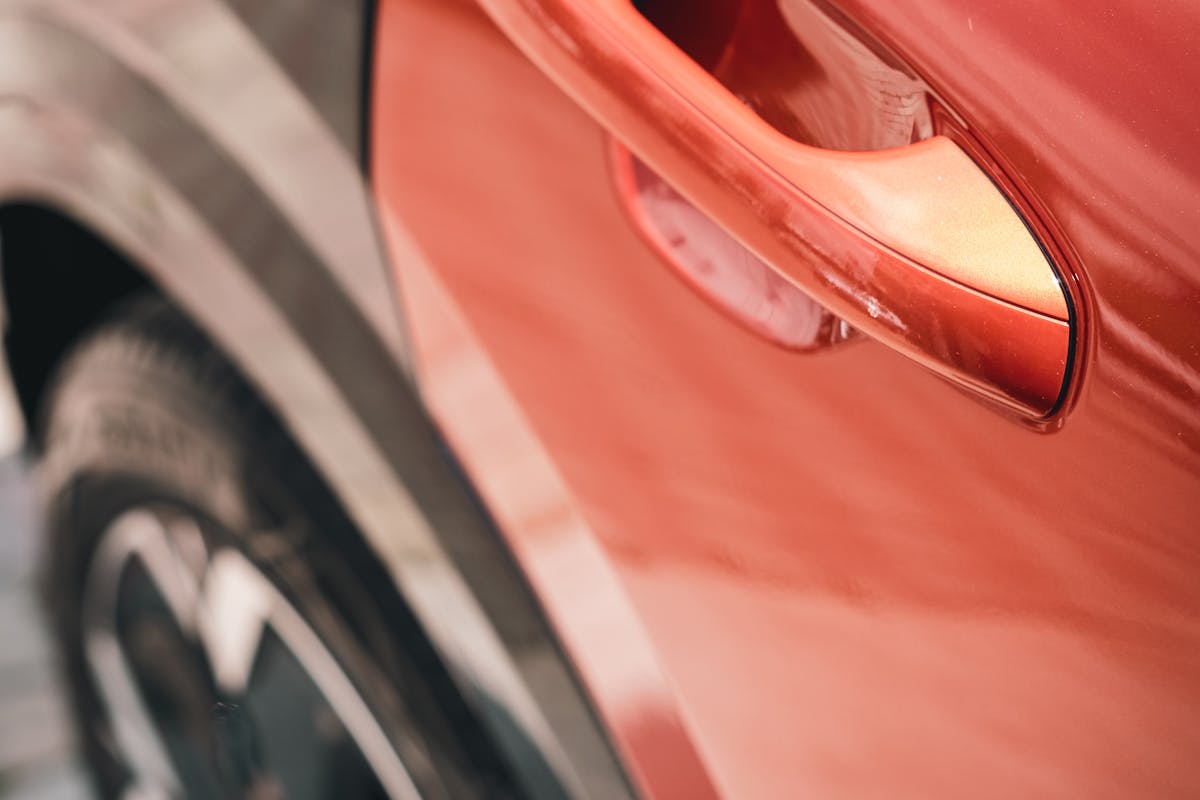

- Household items like toothpaste and baking soda can reduce the appearance of light, clear coat scratches, but they rarely provide permanent repair.
- Many viral DIY hacks (such as cooking oil or magic erasers) are myths that only mask damage or risk worsening paint quality.
- Identifying scratch depth is essential; deep scratches exposing primer or metal require professional repair to prevent rust and paint failure.
- Using household products improperly can cause clear coat thinning, swirl marks, or discoloration, leading to more visible damage over time.
- Automotive-specific products like scratch remover compounds and touch-up paint offer safer and more durable results than most household remedies.
- Prevention strategies — including proper washing, strategic parking, and protective coatings — remain the most effective way to avoid car scratches.
Car scratches are almost unavoidable. Whether caused by tree branches, shopping carts, or accidental brushes against walls, even careful drivers eventually deal with paint imperfections. Because professional repairs can be expensive, many vehicle owners turn to DIY solutions using common household products. The internet is full of advice suggesting toothpaste, baking soda, nail polish, and even cooking oil as miracle fixes for scratches.
However, not every viral hack works — and some can actually worsen the damage. Understanding which household remedies are effective and which are myths can save time, money, and paint quality. This guide explores popular scratch-repair hacks, explains the science behind them, and provides safe alternatives for restoring your vehicle’s appearance.
Understanding Car Scratch Types Before Trying DIY Fixes
Before experimenting with household solutions, it’s important to identify the type of scratch affecting your vehicle. Car paint typically consists of multiple layers: clear coat, base coat, and primer. The depth of the scratch determines whether a DIY solution can help or if professional repair is necessary.
Light scratches often affect only the clear coat, making them easier to correct with polishing techniques. Moderate scratches may penetrate the base coat and require touch-up paint. Deep scratches that reach the primer or metal usually demand professional attention to prevent rust and paint failure.
A quick diagnostic trick involves running a fingernail across the scratch. If the nail does not catch, the damage is likely superficial. If it catches noticeably, deeper repair methods may be required.
Types of Scratches
- Surface or swirl scratches
- Clear coat scratches
- Paint-layer scratches
- Deep primer-level scratches
Why Household Remedies Became Popular
Household scratch repair methods gained traction because they promise quick, low-cost fixes without specialized tools. Social media tutorials and DIY forums often promote accessible items as effective alternatives to detailing products. For many drivers, the appeal lies in convenience and affordability.
These methods are rooted in a basic principle: mild abrasives can smooth the clear coat and reduce scratch visibility. Products like toothpaste and baking soda contain polishing agents that can buff minor imperfections. However, not all products are formulated for automotive finishes, which creates the risk of unintended paint damage.
Another factor driving popularity is misinformation. Many viral demonstrations exaggerate results or fail to show long-term effects. While some methods may temporarily improve appearance, they can reduce paint protection or cause micro-scratches over time.
Why DIY Hacks Spread
- Cost savings compared to professional repairs
- Easy access to household items
- Viral tutorials and quick-result videos
- Misunderstanding of paint chemistry
How to Repair Car Scratches Using Household Items: Myth vs Reality
The biggest question drivers ask is whether household items actually repair scratches or merely hide them. The truth lies somewhere in between. Certain products can improve the appearance of light scratches, but few truly “repair” damage in a permanent way.
Many household items act as mild abrasives or fillers. Toothpaste, for example, can polish clear coat imperfections, while oils may temporarily mask scratches by altering light reflection. Nail polish can fill scratches, but may not match the paint color or durability.
True repair involves restoring the paint layer, which typically requires automotive products. Household methods are better described as cosmetic improvements for very minor damage rather than comprehensive repairs.
Reality Check
- Some items improve scratch appearance
- Most effects are temporary
- Improper use can worsen paint damage
- Automotive products remain more reliable
Household Items That Can Actually Help (With Limitations)
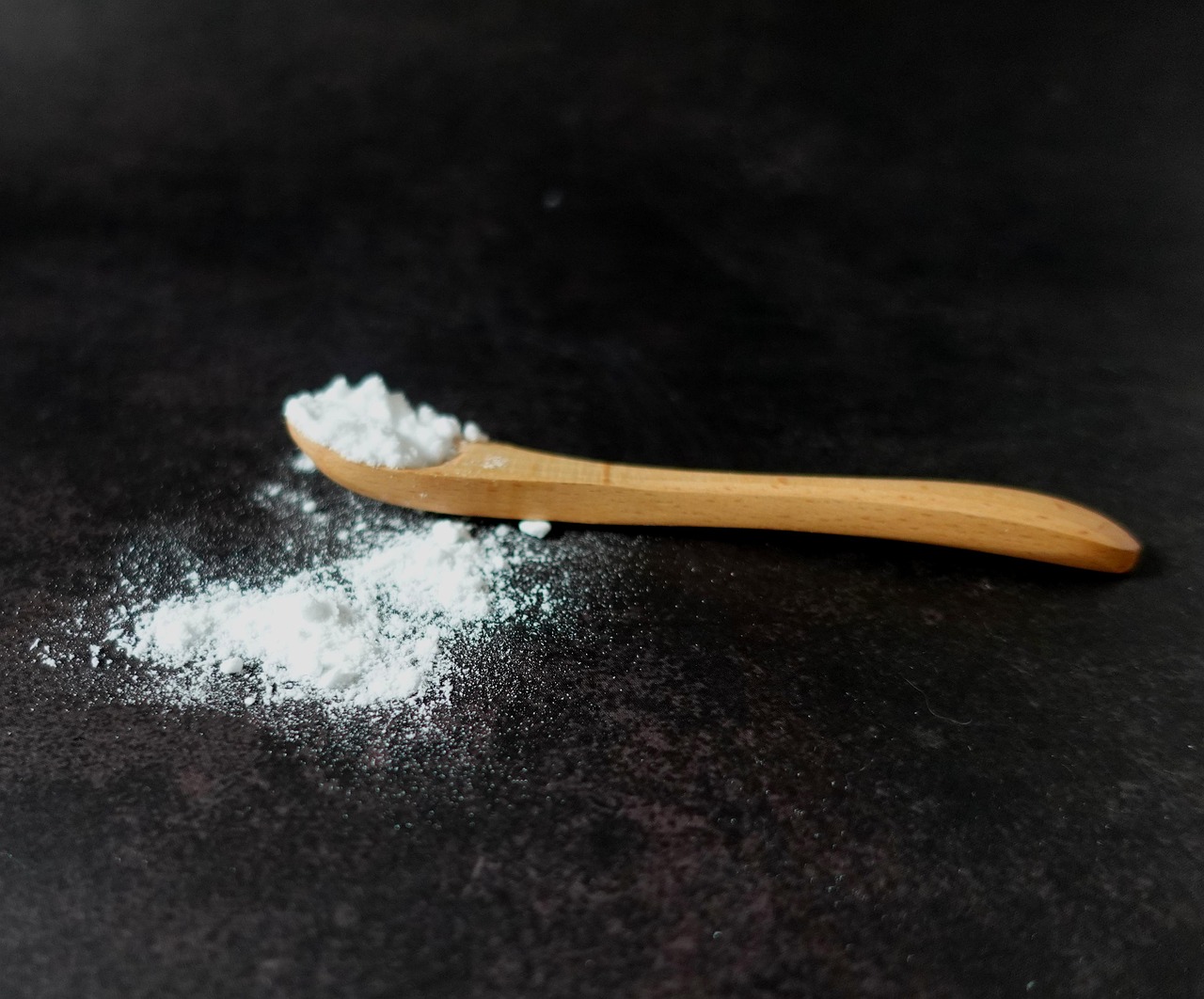
Although many DIY hacks are exaggerated, certain household products can offer limited benefits when used correctly. The key is understanding their function and applying them only to superficial scratches.
Toothpaste is one of the most commonly recommended remedies because it contains mild abrasives similar to polishing compounds. When applied gently with a microfiber cloth, it can smooth clear coat imperfections and reduce scratch visibility. Baking soda mixed with water creates a similar polishing paste.
Nail polish can be used as a temporary filler for scratches, especially when color matching is possible. However, it lacks the durability and UV resistance of automotive paint, making it a short-term solution.
Household Items with Some Effectiveness
- Whitening toothpaste (mild polishing)
- Baking soda paste (light abrasion)
- Nail polish (temporary filling)
- Petroleum jelly (visual masking)
Household Hacks That Are Mostly Myths
Many viral scratch repair hacks fall into the myth category. These methods may create short-term visual improvements but fail to repair paint damage or may introduce new problems.
Cooking oils, for example, can make scratches less visible by altering light reflection. However, they attract dust and wash away quickly, offering no lasting benefit. Magic erasers are sometimes suggested as scratch removers, but their abrasive texture can dull paint and create haze.
Another popular myth involves shoe polish as a scratch filler. While it can highlight scratches for identification, it does not repair them and may stain paint surfaces. These myths persist because they create immediate visual change, which is often mistaken for repair.
Common Scratch Repair Myths
- Cooking oil permanently removes scratches
- Magic erasers are safe for paint polishing
- Shoe polish fixes paint damage
- Vinegar restores scratched paint
Safe DIY Step-by-Step Process for Minor Scratch Repair
If attempting household scratch repair, following a safe process is essential to avoid worsening the damage. Preparation and gentle application are key factors in achieving acceptable results.
First, thoroughly wash and dry the scratched area to remove dirt that could cause additional scratches. Next, apply a small amount of toothpaste or baking soda paste using a soft microfiber cloth and gently buff in circular motions. After polishing, wipe away residue and inspect the area under good lighting.
Finish by applying car wax or sealant if available. This step restores shine and adds protection to the clear coat after mild abrasion.
Step-by-Step Summary
- Clean and dry the surface
- Apply a mild abrasive paste
- Buff gently using a microfiber cloth
- Remove residue and inspect
- Protect with wax or sealant
Risks of Using Household Products on Car Paint
While DIY methods can be appealing, they carry potential risks that drivers should understand. Automotive paint is engineered for durability and UV resistance, whereas household products are not designed for this purpose.
Excessive abrasion can thin the clear coat, reducing long-term paint protection. Some household chemicals may also cause discoloration or staining. Additionally, improper buffing techniques can create swirl marks that are more noticeable than the original scratch.
Another concern involves false expectations. Temporary improvements may disappear after washing, leading to repeated applications that gradually damage paint. Recognizing these risks helps drivers make informed decisions about DIY repairs.
Potential Risks
- Clear coat thinning
- Paint dullness or haze
- Micro-scratches and swirl marks
- Chemical staining
- Temporary results
When to Skip DIY and Seek Professional Repair
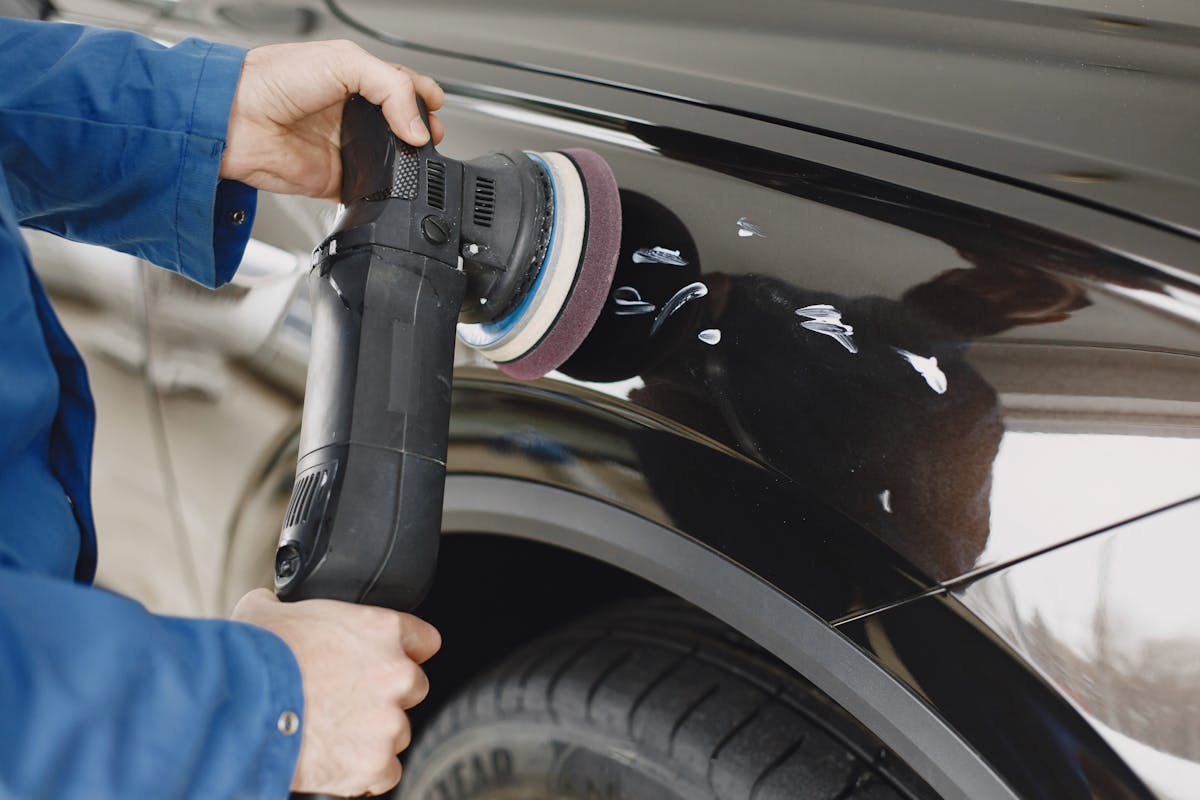
There are situations where household methods should be avoided entirely. Deep scratches that expose primer or metal require professional intervention to prevent corrosion and paint failure. Attempting DIY solutions for such damage can worsen the problem.
Large scratches or those affecting multiple panels may also demand specialized tools and color-matching techniques. Professional detailing or body shop repair ensures proper paint restoration and long-term durability.
Additionally, vehicles with ceramic coatings or matte finishes should not undergo household scratch repair. These surfaces require specialized products and expertise to maintain their protective properties.
Signs Professional Repair Is Needed
- Scratch catches fingernail deeply
- Visible primer or metal
- Large or widespread damage
- Matte or ceramic-coated paint
- Rust formation around the scratch
Better Alternatives to Household Scratch Repair Methods
Although household items can help slightly, automotive-specific products provide safer and more reliable results. Scratch removal compounds, polishing kits, and touch-up paint pens are designed to work with car paint chemistry.
Scratch removal compounds offer controlled abrasion that reduces clear coat scratches without excessive damage. Touch-up paint restores color for deeper scratches, while polishing kits combine multiple steps for more professional outcomes.
These products are relatively affordable and widely available, making them a practical upgrade from household remedies. Combining proper products with correct technique delivers more lasting improvements and better paint protection.
Recommended Alternatives
- Scratch remover compounds
- Touch-up paint pens
- Polishing kits
- Dual-action polishers
- Automotive wax and sealants
Preventing Car Scratches in the Future
Prevention remains the most effective strategy for maintaining paint quality. Simple habits and protective measures can significantly reduce the likelihood of scratches.
Parking away from crowded areas minimizes contact damage from other vehicles and shopping carts. Regular washing removes dirt particles that can cause micro-scratches during wiping. Using microfiber towels instead of rough cloths also helps protect the clear coat.
Protective coatings such as wax, sealants, or ceramic coatings create a barrier that reduces scratch susceptibility. Installing paint protection film on high-impact areas offers additional defense against chips and abrasions.
Prevention Tips
- Park strategically to avoid contact damage
- Wash regularly using proper techniques
- Use microfiber towels and wash mitts
- Apply wax or ceramic coating
- Consider paint protection film
Final Thoughts
Household items can offer minor cosmetic improvements for light car scratches, but they rarely provide permanent repairs. Toothpaste and baking soda may polish superficial imperfections, while oils and fillers only mask damage temporarily. Many viral DIY hacks fall into the myth category and may even harm paint when misused.
Understanding scratch depth, using gentle techniques, and recognizing the limitations of household remedies are essential for safe DIY attempts. For more serious damage or long-lasting results, automotive products and professional repair remain the most effective solutions. Ultimately, prevention and proper maintenance play the biggest role in preserving vehicle paint and reducing future scratches.